Careful reading, for work that must be right.
Claude models handle long documents well and stick closely to instructions. That suits the coworkers who check contracts, compare tender files and look for mistakes in the books. They read, flag and draft; a person signs.
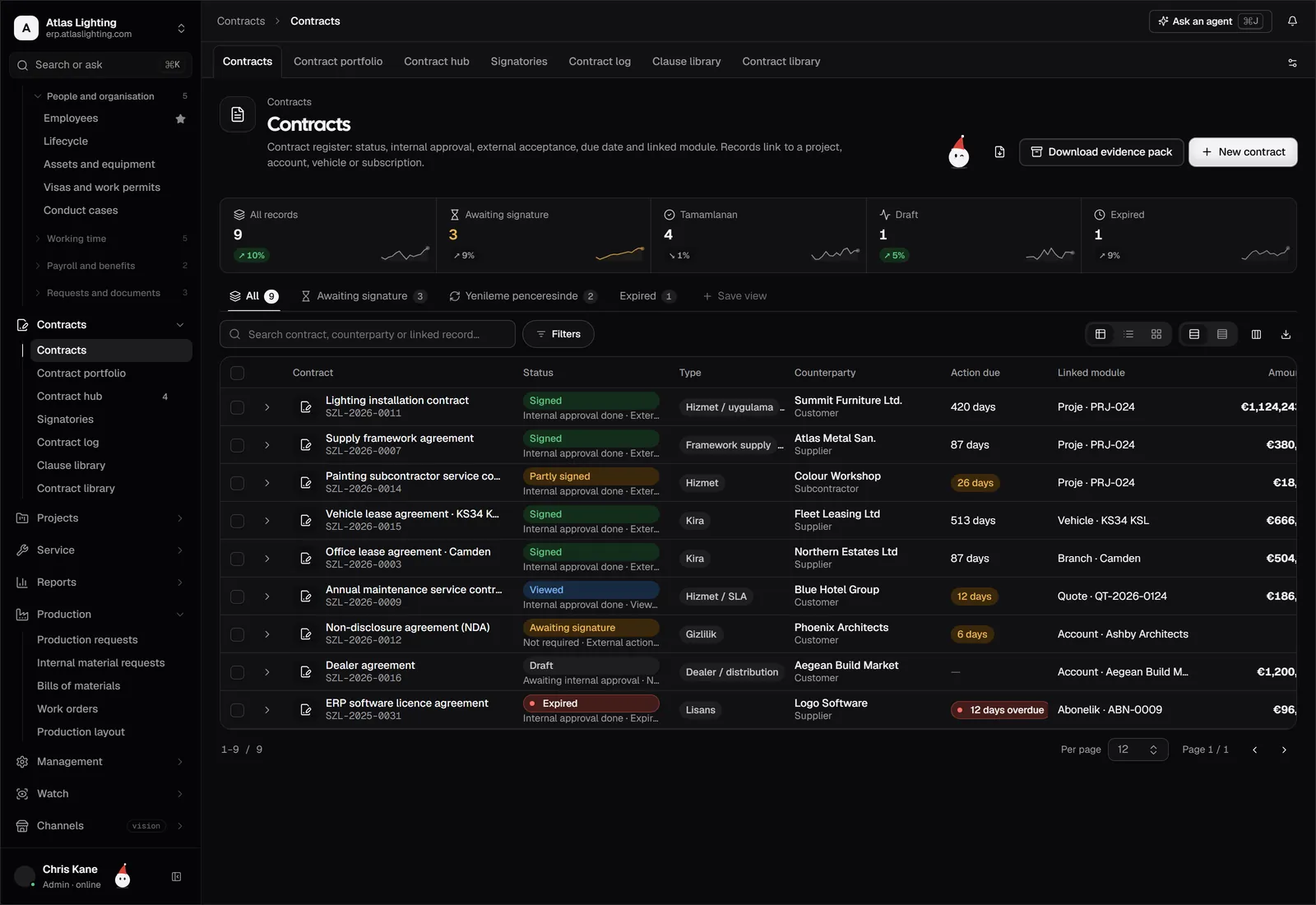
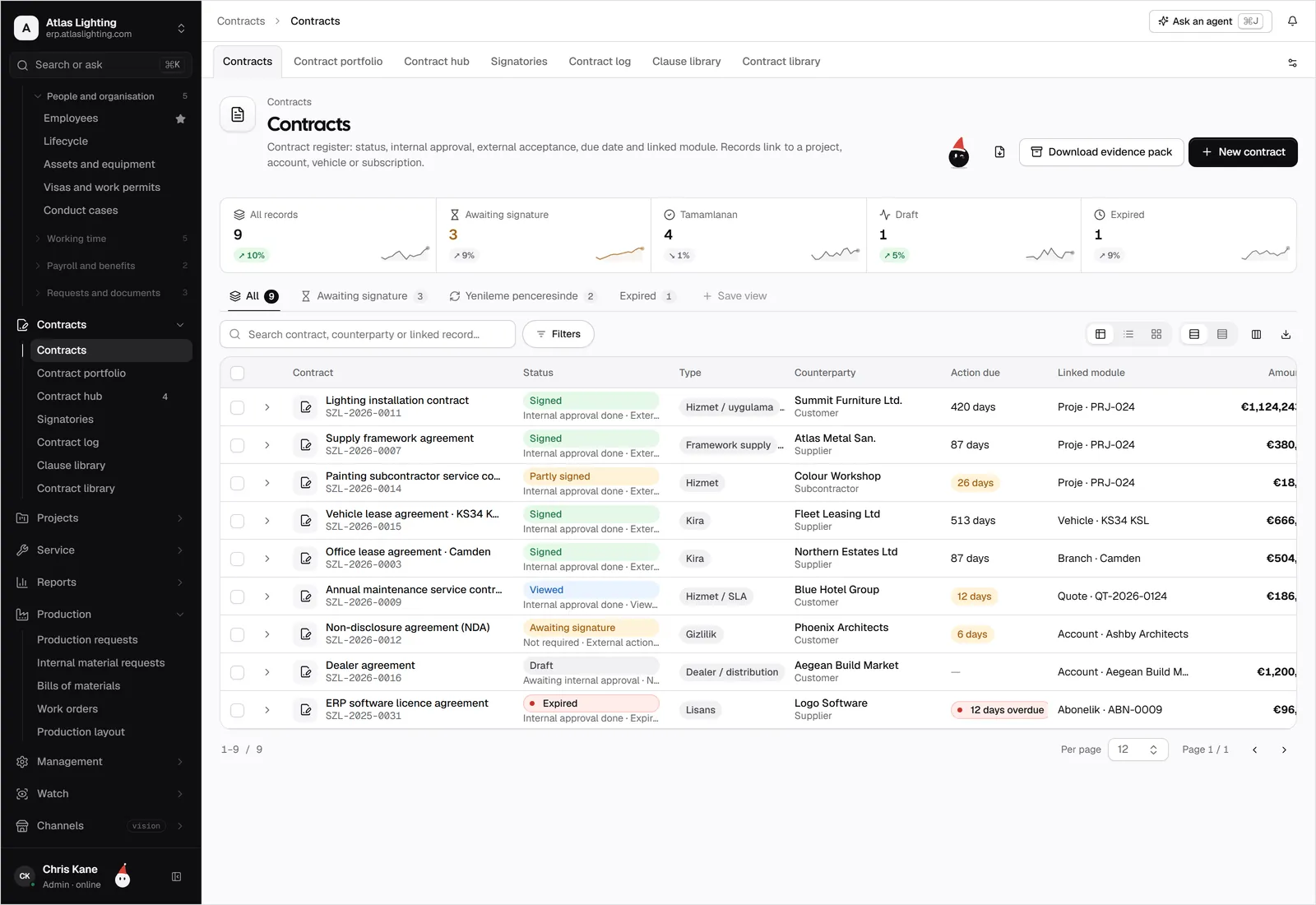
Anthropic and Dika Ops, kept in step.
Claude models for the coworkers that read the fine print and follow the rules.
What teams use it for.
The coworker compares the draft with your standard terms and lists what changed.
It reads the specification, builds a checklist and drafts the answers for your team.
An accounting coworker reviews the month's entries and raises questions before closing.
Connected in four steps.
- 01
Choose Claude models included with your plan, or add your own Anthropic API key.
- 02
Assign a model to each coworker, for example a larger one for contracts and a smaller one for routine checks.
- 03
Set a monthly spending limit and a backup model for each coworker.
- 04
Run the coworker on a few past contracts, compare its notes with your own, then go live.
Anthropic, answered.
Is Dika Ops an official Anthropic partner?
No. The Anthropic integration is in early access. It uses the Anthropic API through a key managed by Dika Ops or your own key.
Which Claude models are available?
The Opus, Sonnet and Haiku families. Opus for the hardest documents, Sonnet for daily work, Haiku for fast, simple tasks. The list follows what Anthropic releases.
What data is sent to Anthropic?
Only what the coworker's scope allows for the task, such as the one contract it was asked to check. Other records stay in Dika Ops.
Can it read a long tender file in one go?
Yes, within the model's context limit. Very large files are split by section, and every note points back to the page it came from.
Anthropic is a trademark of its owner. Dika Ops is not affiliated with or endorsed by its owner.
Run the whole company from one place.
Dika Ops is in closed beta. We onboard a few companies at a time and set everything up with you.